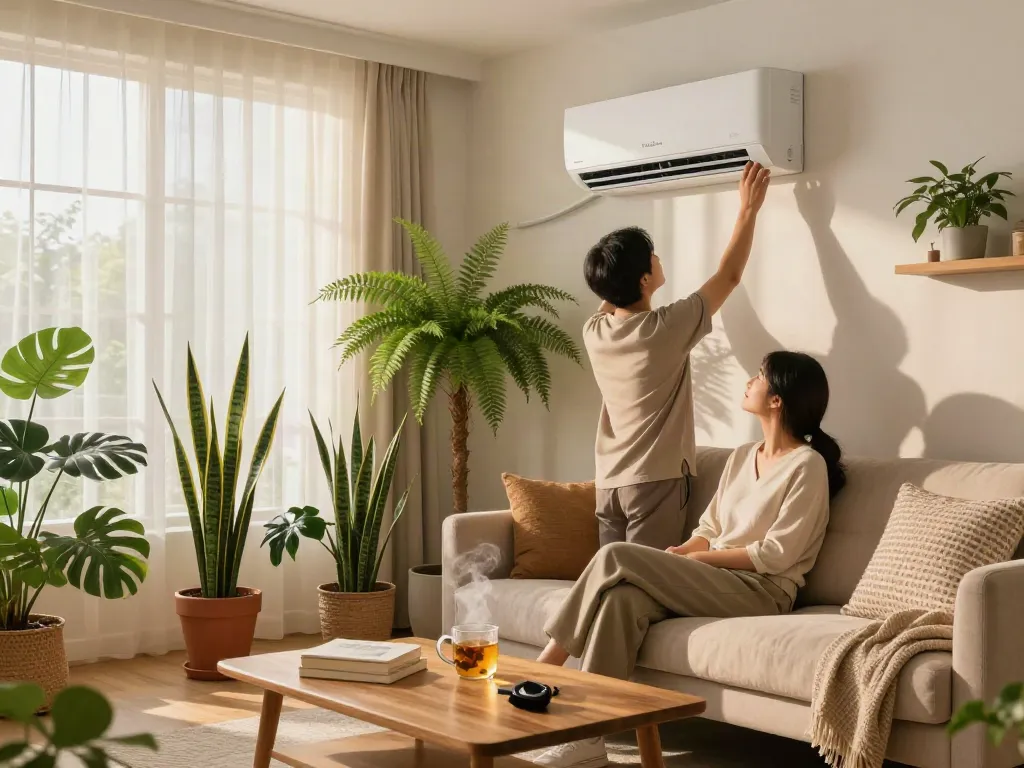
Understanding Ductless Air Conditioners
Ductless air conditioners, also known as mini-split systems, have gained popularity in recent years for their flexibility and efficiency. Unlike traditional HVAC systems that rely on ductwork to deliver cooled or heated air, ductless systems operate through individual units mounted in various rooms. This setup can significantly enhance comfort while maintaining energy efficiency. For those exploring options, a ductless air conditioner provides comprehensive insights into the advantages of going duct-free.
What is a Ductless Air Conditioner?
A ductless air conditioner is a system that allows heating and cooling without needing air ducts. It typically consists of an outdoor unit and one or more indoor units connected via refrigerant lines. This design enables targeted cooling, allowing homeowners to heat or cool individual rooms as needed. Ductless systems are particularly beneficial in homes with no existing ductwork or for additions where extending ducts would be impractical.
How Ductless Systems Operate Efficiently
Ductless systems operate using a heat pump mechanism, which can reverse its function depending on the season. During the warmer months, the system extracts heat from the indoor air and transfers it outside, providing cooling. In the winter, it draws heat from the outside air—even in low temperatures—and transfers it indoors. This efficiency leads to lower energy consumption compared to traditional heating and cooling systems.
Key Components of a Ductless Air Conditioning System
- Outdoor Unit: Contains the compressor and condenser.
- Indoor Unit: Responsible for distributing cool or warm air into the living space.
- Refrigerant Lines: Connect the indoor and outdoor units, allowing heat transfer.
- Remote Control: Facilitates easy temperature control.
Benefits of Ductless Air Conditioners
Energy Efficiency and Cost Savings
One of the most significant benefits of ductless air conditioners is their energy efficiency. Since these systems provide cooling or heating directly to individual spaces, they reduce overall energy consumption. Homeowners can create different temperature zones, which allows for energy savings when rooms are unoccupied. This efficiency can lead to substantial cost savings on energy bills over time.
Flexible Installation Options for Any Space
Ductless air conditioners offer versatile installation options that can suit various home layouts. They can be installed on walls, ceilings, or even floors, making them suitable for apartments, homes, and offices. This flexibility allows homeowners to choose the most functional and aesthetically pleasing option for their spaces.
Improved Indoor Air Quality
Unlike traditional systems that circulate air through ducts, potentially spreading dust and allergens, ductless systems minimize this risk. The units often feature advanced filtration systems, improving indoor air quality by capturing pollutants. As a result, this can provide relief for allergy sufferers and contribute to a healthier living environment.
Installation Process for Ductless Air Conditioners
Preparing Your Home for Installation
Before installation, homeowners should evaluate their space to determine the optimal locations for indoor units. This process may include taking precise measurements and ensuring unobstructed airflow around units. Consulting a professional installer can help ensure that the system is correctly sized for the space.
Choosing the Right System for Your Needs
When selecting a ductless air conditioner, consider the specific cooling and heating requirements of your home. Factors such as the size of the area, insulation quality, and local climate can influence the system's efficiency. It's advisable to consult with an HVAC specialist who can recommend the best unit based on your needs.
Professional vs. DIY Installation: Pros and Cons
While installing a ductless air conditioner can be a DIY project for some, hiring professionals often leads to better outcomes. Professionals ensure that the system is installed according to local codes and that it functions at peak efficiency. DIY installations may save money upfront but can lead to complications if not done correctly.
Comparing Ductless to Traditional HVAC Systems
Cost Analysis: Ductless vs. Central Air Conditioning
When comparing costs, ductless air conditioners may require a higher initial investment compared to central air systems due to their sophisticated technology. However, the long-term energy savings often offset this initial cost. Homeowners should consider both installation costs and potential savings over time when making their decision.
Performance Differences: Heating and Cooling Efficiency
Ductless systems generally provide superior performance in terms of maintaining desired indoor temperatures. They have the capability to quickly adjust to changes in temperature and offer better humidity control compared to traditional systems, which can struggle to maintain efficiency in extreme weather conditions.
Common Myths About Ductless Systems Debunked
Despite their growing popularity, several myths about ductless systems persist. One common misconception is that ductless air conditioners are less effective than traditional systems. In reality, when sized and installed correctly, ductless systems can be just as efficient, if not more so, than their ducted counterparts.
Future Trends in Ductless Air Conditioning
Technological Innovations on the Horizon for 2026
Looking ahead, advancements in ductless air conditioning technology are expected to continue. Innovations such as smart thermostats, enhanced inverter technology, and improved energy efficiency ratings will likely dominate the market. These technologies will make ductless systems even more attractive to homeowners seeking to optimize comfort and efficiency.
Environmental Impact and Sustainable Practices
As energy efficiency becomes increasingly important, ductless systems are at the forefront of sustainable HVAC practices. They use less energy, which leads to lower greenhouse gas emissions. Additionally, many manufacturers are focusing on developing systems that utilize environmentally friendly refrigerants, making these units a more eco-conscious choice.
Consumer Preferences Shaping the Ductless Market
Consumer demand is shifting toward more energy-efficient and flexible solutions, driving the growth of the ductless air conditioning market. Homeowners are increasingly prioritizing comfort, energy savings, and the ability to control their indoor climates, leading to greater interest in ductless technologies.
Are ductless air conditioners any good?
Many consumers find ductless air conditioners to be highly effective for both heating and cooling. They offer flexibility, energy savings, and improved air quality, making them a compelling choice for many households.
What are the downsides of a mini split AC system?
While ductless systems have numerous advantages, they can have downsides, such as a higher initial cost and the potential need for professional installation. Additionally, some may find that indoor units can be less aesthetically pleasing compared to central air vents.
How much does it cost to install a ductless AC unit?
The installation cost for a ductless air conditioner varies significantly based on the system's size, the number of indoor units needed, and local labor costs. On average, homeowners can expect to pay between $2,000 and $5,000 for complete installation.
Is it cheaper to run a mini split or central AC?
Generally, running a ductless mini-split system can be cheaper than a central AC, particularly in homes with variable cooling needs or smaller spaces. The ability to heat or cool specific rooms can lead to significant energy savings.
Best ductless air conditioner options in 2026?
As the market evolves, various brands and models are expected to dominate in 2026. Look for units with high energy efficiency ratings, advanced features like Wi-Fi connectivity, and those that are easy to install and maintain.